This week we read and discussed the essay by Jonathan Lethem called “The Ecstasy of Influence.” In the essay, Lethem discusses examples of copyright and ownership throughout history including Lolita by Vladimir Nabokov.
I recently picked up a copy of The Complete Novels of Jane Austen and have been using her writing to get me through the boredom of quarantine. I’ve been reading Sense and Sensibility relatively quickly so that I can get to Pride and Prejudice, which is one of my favorite novels. As I was reading, I became curious about the ways Austen’s works have been expanded in the years since their original releases, so I did a quick Google search. I searched “books inspired by Pride and Prejudice” and was met with thousands of results.
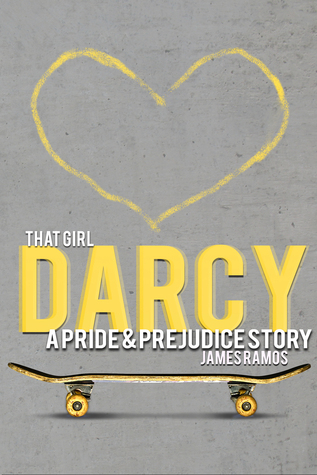
A list compiled by GoodReads was the first result, so I briefly scrolled through the list of 452 books inspired by Austen’s original. The number one book is That Girl, Darcy: A Pride and Prejudice Story by James Ramos. After skimming through the plot summary, I gathered that the story follows a young boy and his “relationship” with a snide girl named Darcy (coincidence?) after she moves into his neighborhood.
Even with a modern twist, the story sounds as though it follows the original plot fairly closely, even down to the protagonist’s love interest’s name. This novel falls under the umbrella of remix with its movement of the characters to a high school setting and gender-bending the original characters. I think this is a fair example of the things Lethem and Edwards discuss in their pieces because Ramos acknowledges the original novel as his inspiration, but adds his own spin to the plot and characters that makes it appeal to a modern audience.
In a time that is filled with negative news stories, rising illness numbers, and being confined to the house, no one knows how to make light of a situation quite like the generation of technology. We are known for making jokes in times of hardship because it is better (and easier) than being sad about situations we cannot control. In between streaming videos, taking up new hobbies, and completing online courses, people have taken to social media to share new renditions of viral memes relating to COVID-19 and being quarantined.
While working on the assignments for class this week regarding remix and remix culture, my mind kept going back to the memes I’ve been seeing on various social media platforms. Viral memes from the past few months have been recirculating after being remixed to fit the current Internet climate and they seem to be a hit.
Twitter has always been a hotspot for generational humor and this case provides no exceptions:
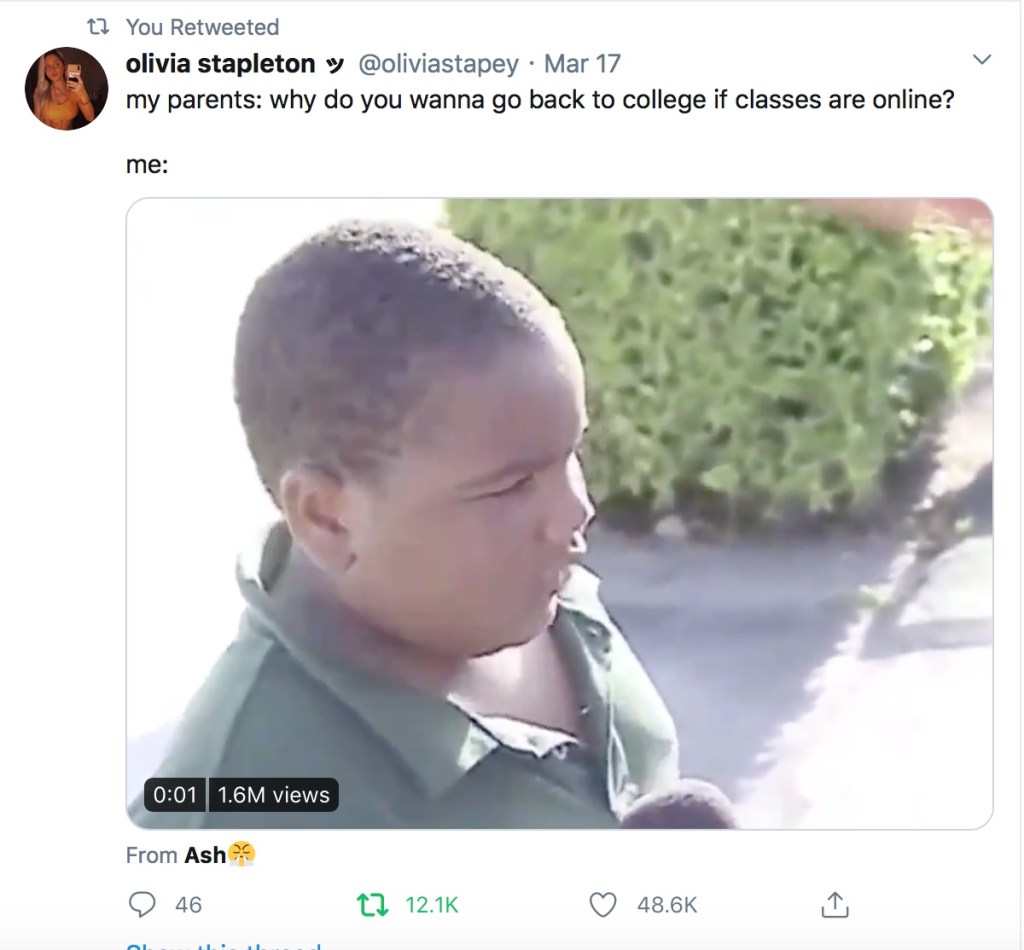
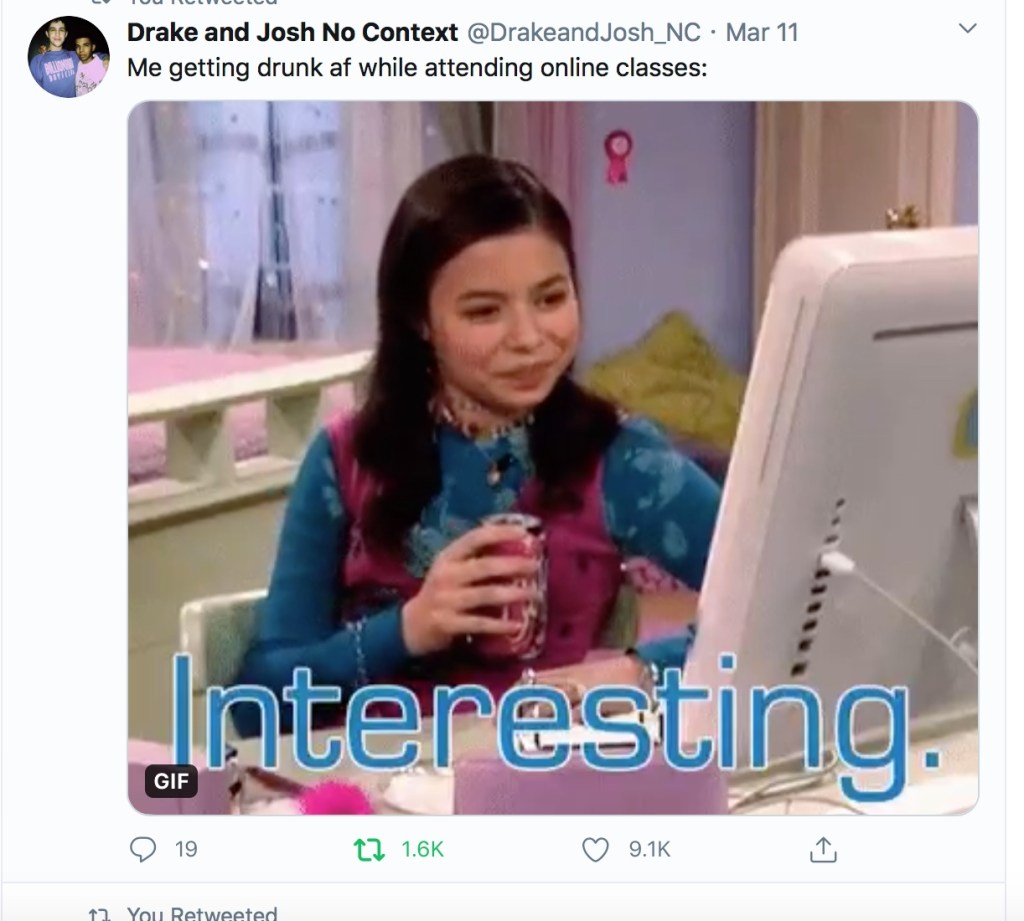
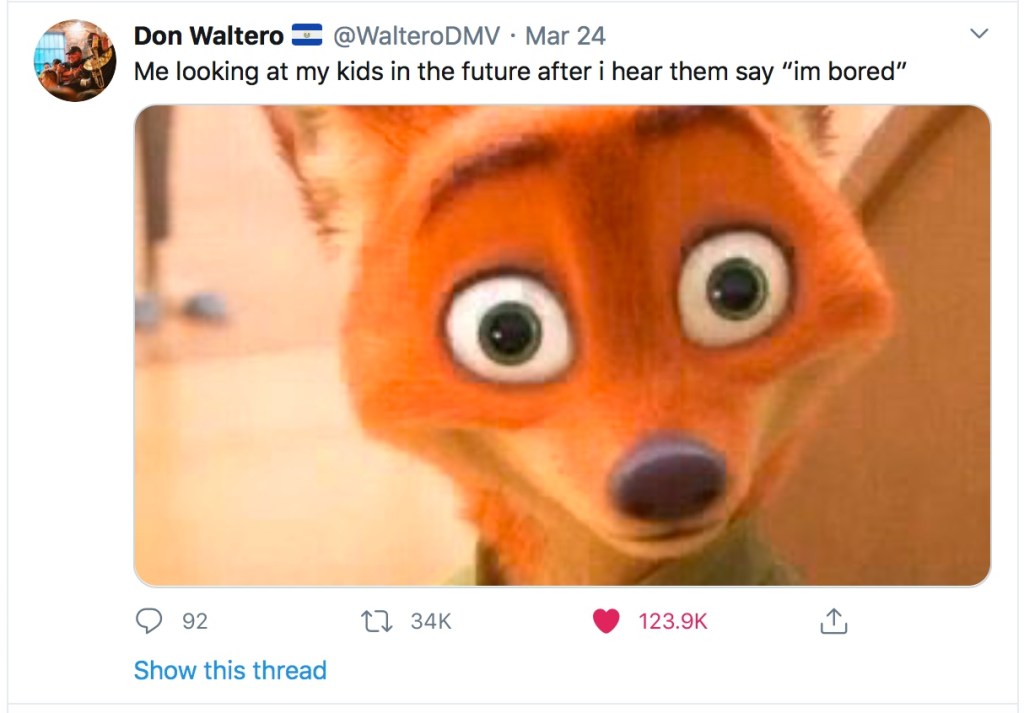
This video of the little boy saying he “just wants to do hood rat shit with his friends” has resurfaced and been remixed to be relatable for college students stuck at home.Much like the above video, this meme from Drake & Josh has been given a new caption related to online classes and quarantine.This meme from Zootopia has been remixed to relate to the virus and the boredom everyone feels while being stuck in the house.
I have only shown a few examples here, but if you go to Twitter yourself and simply search “quarantine” in the search bar you will find thousands more. Even though everyone is living different lives during this hard and confusing time, people relating to the same memes tends to show that we aren’t that different.
Over the past week we have spent the class time discussing usability and access when it comes to websites. While it is important for every individual to have access to websites such as government, informational, or entertainment, I believe that access should extend outside of the internet.
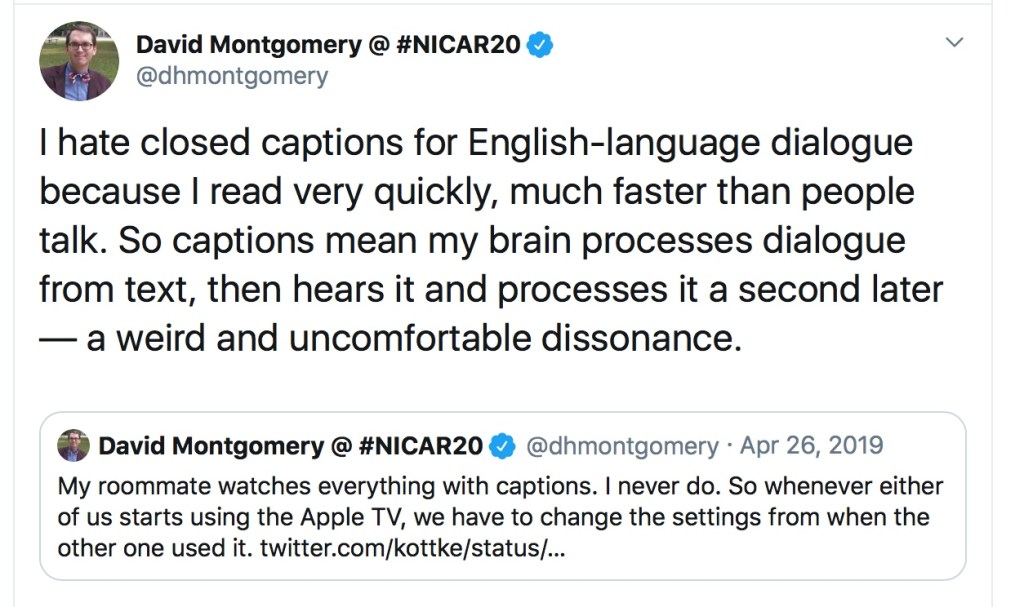
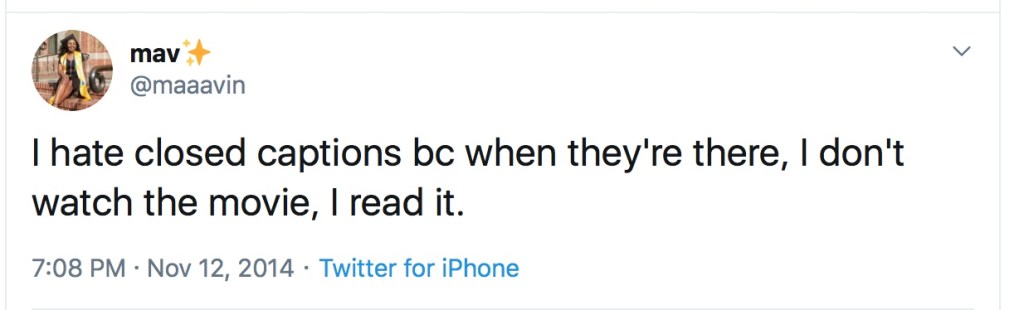
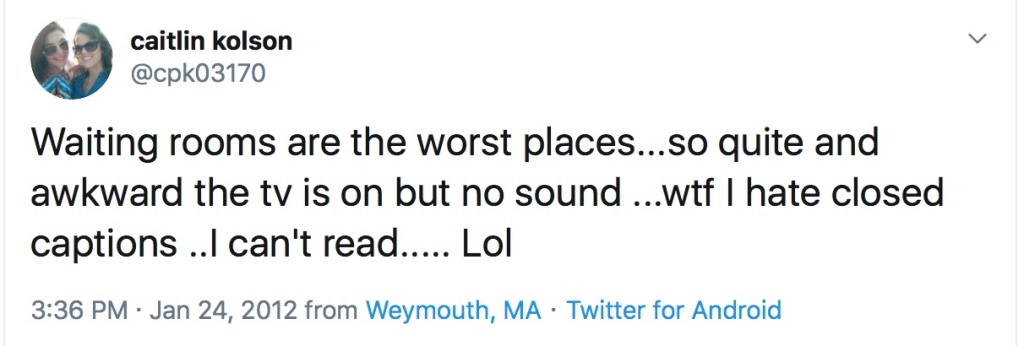
A recent conversation on Twitter has brought to my attention that there is a large crowd that despises closed captions when watching TV or streaming services. As someone who has deaf family members and grew up with captions on all cartoons, this is frustrating to me. I have never been able to go to the movie theater with my aunt because she does not want to go to a movie she can’t read the dialogue; if the dialogue is not provided, she spends majority of the movie trying to piece together plot and characters rather than watching it for enjoyment.
I have compiled a few examples from my Twitter timeline of various users complaining about the use of closed captions:
While these are just a handful of the tweets made in the past few months, it is clear that some people have distinctive reasons for hating subtitles. I think it is interesting everyone likes to advocate for equality and accommodating disabilities, but when it comes to something they don’t personally like, it is no longer acceptable. If more people were accepting of subtitles, especially in a public setting, I might be able to see a movie with my aunt one day.
The idea of usability and access is not a new one and it is time that those who are often forgotten are recognized. If effort is put into making websites accessible, why are TV shows or movies any different?
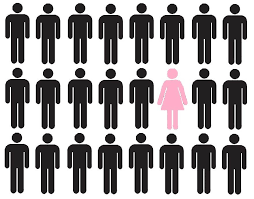
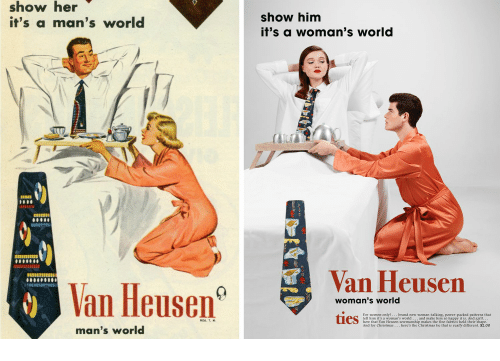
This week in class we read and discussed the article “The World is Designed for Men” by Kat Ely. She makes valid points about data in the design field, products created by men that are meant to be “universal,” and possible solutions to this dilemma. Her piece made me think of other ways in which women face problems with products because they were not considered in the design process and I have compiled a list:
Not being able to reach top shelves of a cabinet because the standard height is based on the average male height
Standard construction equipment that is designed based on the male body could be a lead factor in the cause of higher rates in women sprains, strains, and nerve conditions in the wrist and forearm
Typical A1 architect’s portfolio fits comfortably under a man’s arm, while a woman’s cannot usually reach around it
Male measurements used for personal protective equipment causes the equipment to not fit women properly due to differences in hip, chest, and thigh sizes (most employers simply instruct women to buy smaller sizes)
Smartphones are now on average 5.5 inches, which is approximately the same size as most women’s hands
“A female police officer had to have breast-reduction surgery because of the health effects of wearing her body armor.”
— Criado-Perez when discussing the hazards of ill-fitting personal protective equipment
While several things on this short list are not life-threatening, they create an environment that is simply uncomfortable for women in the workplace and in their daily lives. Products such as the construction equipment, portfolio, and smartphones do not have to be an annoyance to women, but the time has not been committed to redesigning these products, despite complaints. When it comes to safety, it should be considered that women’s bodies are shaped differently than men’s, therefore they require personal protective equipment that works around these differences. Women should not be forced to drastic measures such as surgery to ensure their work equipment fits them properly.
New studies should be done, as the average height of both males and females fluctuates, and women should be included in the studies from the beginning, not simply as an afterthought. As Ely stated, design companies need to hire more women because they are often forgotten in the process.
“A woman’s place is wherever the hell she wants it to be.”
Criado-Perez, Caroline. “The deadly truth about a world built for men- from stab vests to car crashes.” The Guardian, 2019.
This week in class, we discussed Patricia Bizzell’s article “What is a Discourse Community?” and as I was listening to the discussion, I was thinking about a research project I completed in the spring of last year.
Bizzell defines a “discourse community” as “a group of people who share certain language-using practices” (222). While the use of distinct language is critical to defining a discourse community, there are other more subtle ways that a community can manifest. John Swales has created a list of criteria that a group must meet to be considered a discourse community (225-226):
A common “goal”
A “forum” accessible to all members
Members provide feedback and information on the forum
Shared discourse conventions or “genres”
Shared, specialized language
Experts and novices
In my research assignment for Advanced Composition, I analyzed the One Direction fandom and the way in which its members formed a discourse community through the creation of their online identities. As a former member of the fandom, I have an in-depth knowledge of the conventions, language, and places fans congregate.
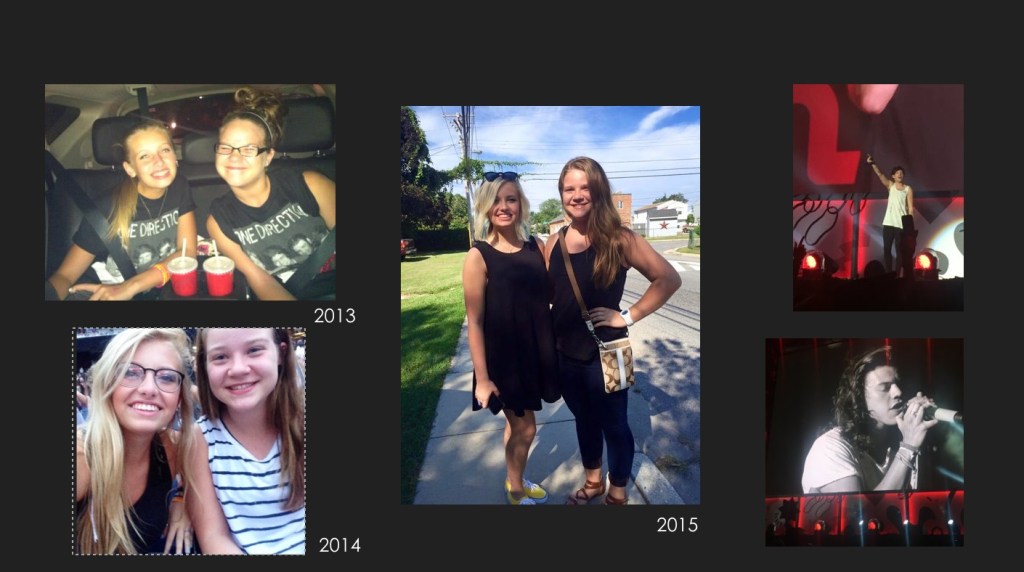
My best friend and I before/after our One Direction concerts.
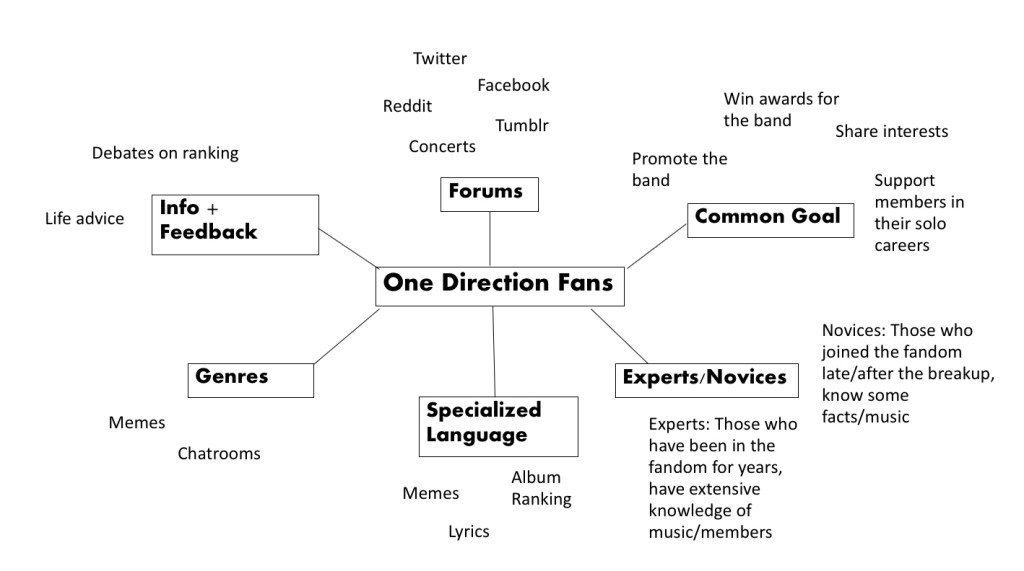
In the following diagram, I adapted the activity we did in class with a discourse community we belong to and input the appropriate data for the One Direction fandom.
The most interesting part of the fandom is that it has held up years after the separation of the band. Even after declaring a “hiatus,” the fans continue to win awards for the band as well as the boys in their solo careers. The Reddit, Twitter, and Instagram stay active with those looking to discuss memories and theories of the band’s return.
I believe the fandom meets Bizzell and Swales’ criteria to be a discourse community because of the multiple “forums” fans can speak on, the specialized language they use, and the common goal of maintaining the band’s legacy even after separation.
For horror fans everywhere, the MTN Dew Zero Sugar commercial from Sunday’s Super Bowl game was the shining star. The ad directed by Tom Kuntz is the perfect promotion for the brand’s new sans-sugar soda and targets soda drinkers everywhere searching for a healthier alternative. MTN Dew made a smart marketing move by choosing three of the most iconic scenes from 1980’s The Shining: Jack Torrence ascending the stairs and breaking down the bathroom door using an axe, the blood-filled hallway, and the twin girls eerily standing at the end of the infamous hallway.
The use of these images appeals to all three of the rhetorical devices, even in viewers that have never seen the original movie. For logos, visual hierarchy plays a big role in the reception of this commercial because of the product placement.
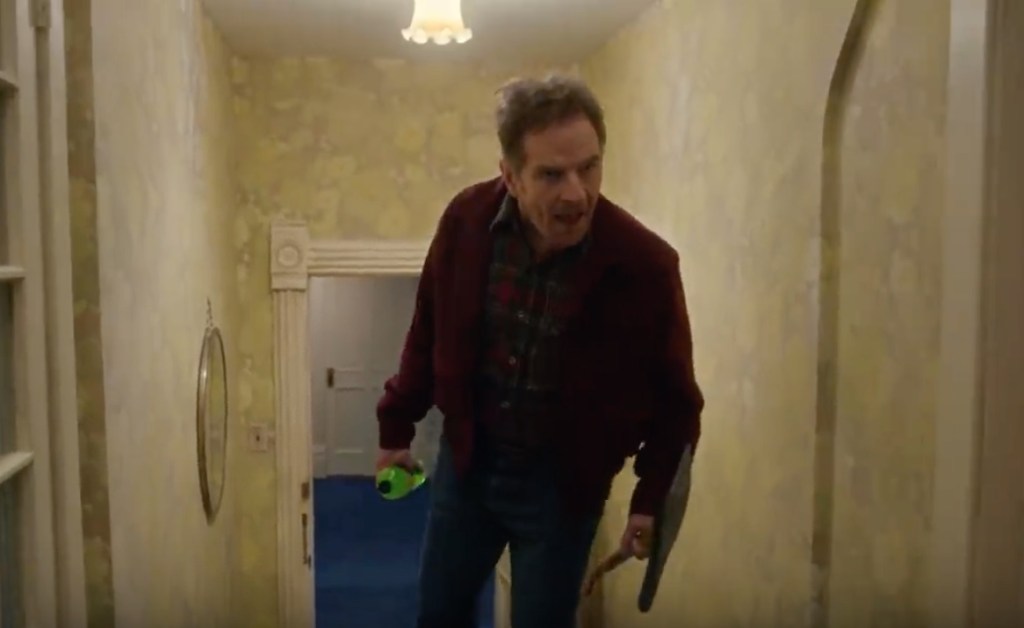
In this first image, the MTN Dew bottle’s bright green color makes it stand out against the pale colors of the background. The bottle is an addition to the scene from the movie as Jack’s (Bryan Cranston) right hand is originally empty as he makes his way up the stairs.
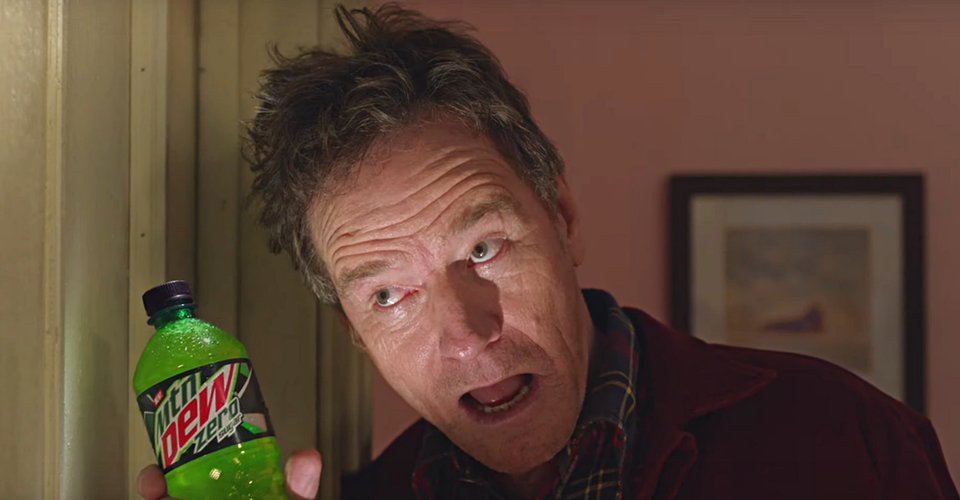
In this image, Jack uses the bottle to knock on the door of the bathroom where Wendy Torrence (Tracee Ellis Ross) is hiding from her husband. Cranston holds the bottle so that the label is strategically placed outward facing toward the camera. Again, the coloring of the bottle draws audience attention to the product placed in the foreground of the image. This strategy places attention on the product rather than the scene at first glance, which allows viewers to see the true reason for the ad before returning their attention to the comedic rendition of a coveted movie.
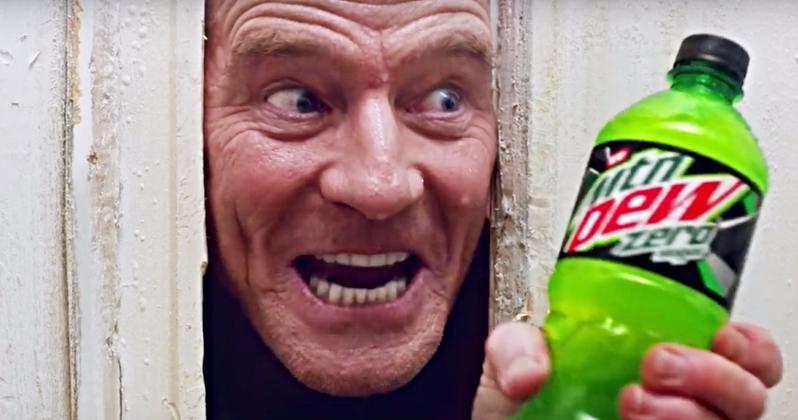
The image most commonly associated with The Shining is the one in which Jack shoves his head through the recently destroyed door and proclaims “heeeere’s Johnny” with a maniacal expression on his face. Cranston effectively created his own rendition of the scene, but replaced the original line with “heeeere’s MTN Dew Zero Sugar” in the same tone and manner as Nicholson in the original scene.
In the final seconds of the ad, the well-known image of the identical twins (both played by Cranston) is flashed as they drink the product while eerie voices chant “zero sugar” in the background repeatedly.
The recreation of these easily recognizable scenes also appeals to pathos because long-time horror fans get a sense of nostalgia for The Shining and other movies created in the 80’s. The commercial was well-done and showcases even small elements and details from the movie that viewers noticed, which also helps boost their ethos. The attention to detail seen in the set did not go unnoticed by fans and many commented under the official video with their appreciation. One user even said, “I am going to buy Mountain Dew now because of this!” Clearly, the risk they took in recreating a famous scene paid off based on audience reactions.
Against the image of the hotel lobby being flooded with green liquid (in place of blood from the original), the tagline of the product shows on the screen: “As good as the original, maybe even better?” This line also makes the commercial relevant by toying with current conversation that followed the release of Doctor Sleep, a sequel to The Shining. People debate over the success of the movie and its cultural significance when compared with the original, much like Mountain Dew is hoping people will do with their new drink.
My name is Brianna and I am a junior pursuing an undergrad degree in creative writing from Salisbury University. In my first two years at Salisbury I was majoring in Chemistry with the hopes to go to pharmacy school, but I wasn’t excelling in the classes and felt defeated and unsure of my future. After doing some research and talking with several professors, I made the decision to switch to English. Since then, my grades have improved immensely, I’ve found a topic for my Honors Thesis, and my overall happiness has improved.
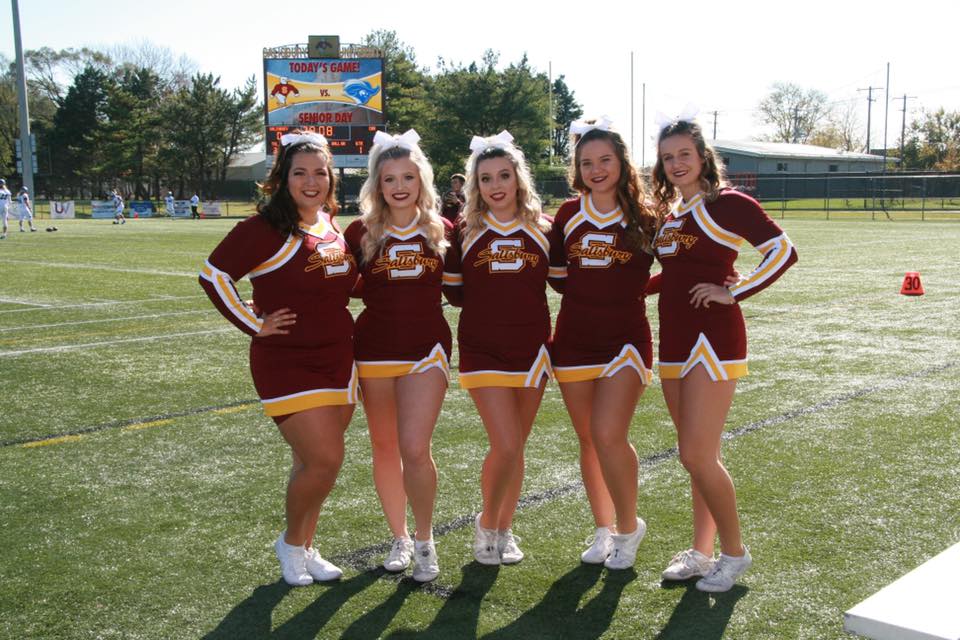
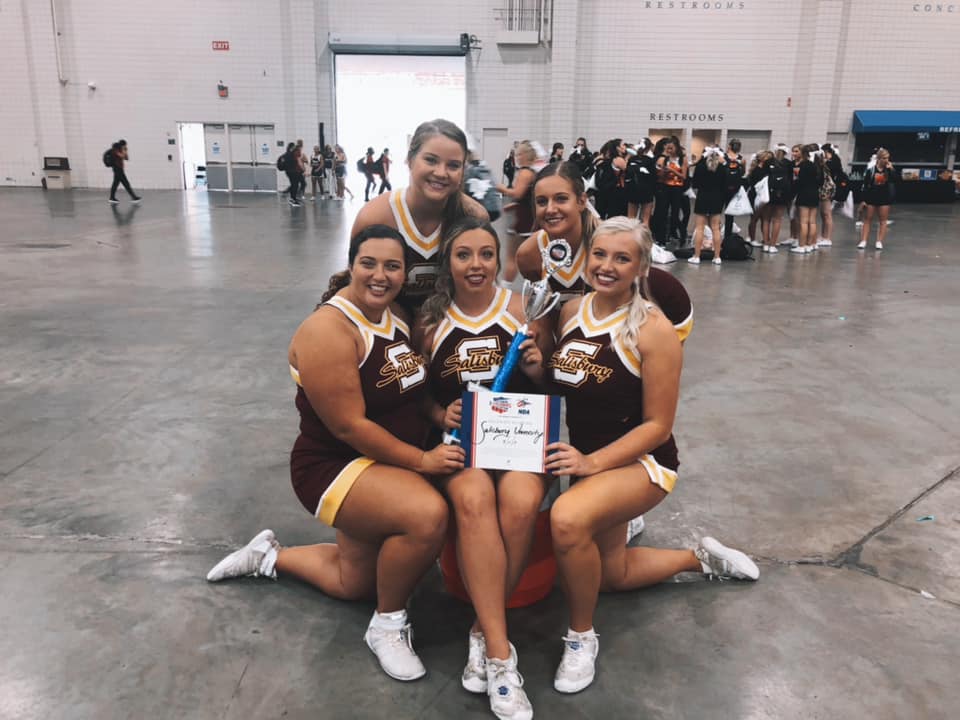
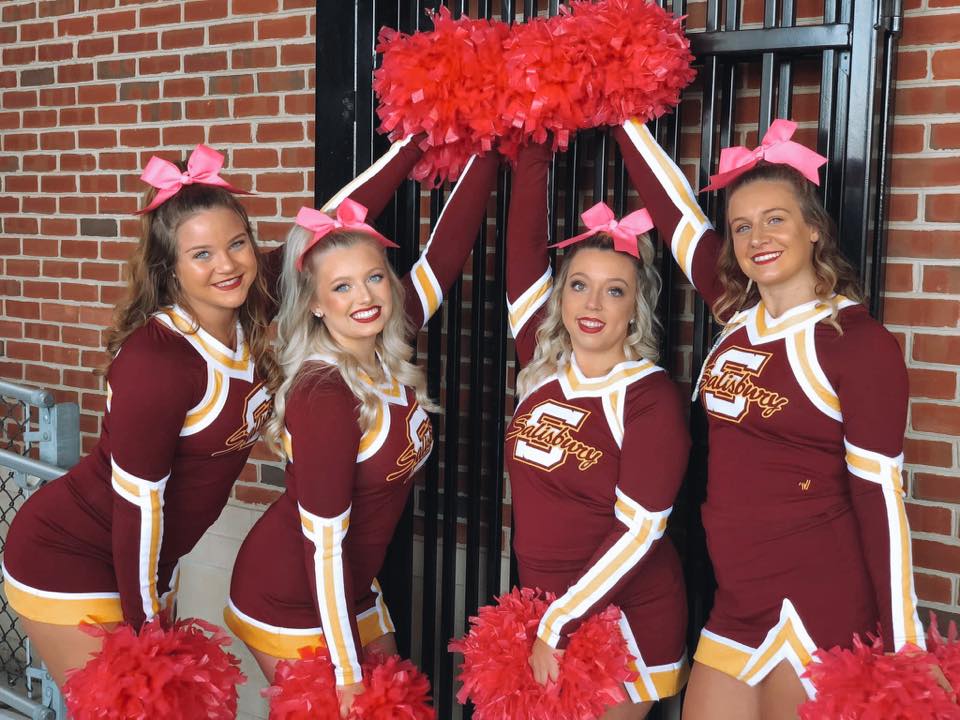
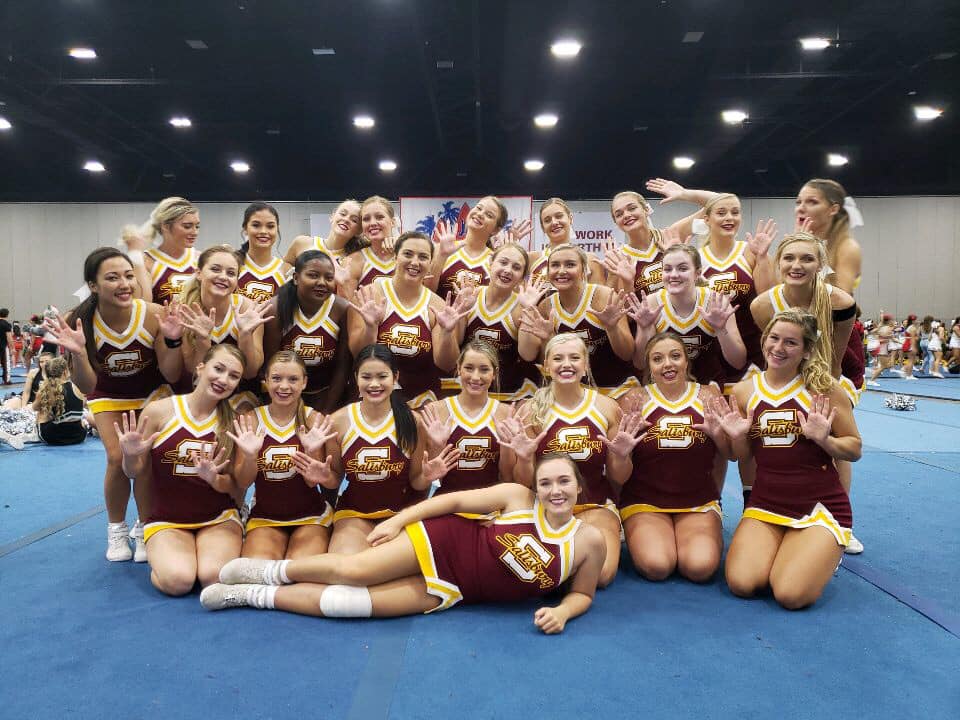
Outside of classes I spend my time writing, working at the University Writing Center as a consultant, and as a member of the cheerleading team on campus. We cheer for all football games, men’s and women’s basketball games, and on-campus events. On top of that, we practice 3-4 times a week for our national competition that happens in April of every year. I’ve found that staying busy helps me to stay on top of my school work, so I enjoy having a full schedule.
As a writer, I don’t have much experience that goes past using pen and paper, or basic writing programs such as Microsoft Word. When it comes to multimodal writing, the closest thing I can think of is creating PowerPoint presentations for various classes. Majority of the time, the presentation slides utilize standard text, pictures, clip art, transition animations, and sounds. I don’t have experience creating audio files or videos, but I hope to learn through practice and the course of the semester.
The following is a list of goals I have set for myself in this class:
Become comfortable with WordPress so that I can create a personal blog after the completion of this course
Learn to create and upload audio files
Become more familiar with the literature on multimodal and digital writing
Use methods I learn in class in my current and future jobs
Learn to recognize rhetoric in online texts
“The purpose of the first draft is not to get it right, but to get it written.”

 Brianna Price